Purchasing a Ragdoll is something many cat lovers dream of but they do not always come cheap (there are good reasons for this!) Read our guide on the ragdoll cat price to find out everything you need to know.
Ragdoll cat price: How much does a Ragdoll Cat cost? – Everything you need to know about buying a purebred.
The first thing to know is that buying a Ragdoll cat is not cheap – especially if you are buying a kitten. If you are buying from a reputable breeder the average price of a Ragdoll kitten is going to be £800-£1200 ($1000-$1400).

The colour of the Ragdoll kitten or cat is likely to affect the price as well, the cost of a flame or lynx point Ragdoll cat will be much higher than another colour such as a seal or blue.
You may also find that females are priced higher than males.
(While this amount is a lot of money, it is not as much as the price of a Syphnx cat or a Russian Blue cat although the price of a siamese cat is slightly less!)
When purchasing from a respected breeder, you may find some of your initial Veterinary fees are included in this – for example, the kitten may come with their primary vaccinations and even a microchip. It is a good idea to discuss this when trying to find a breeder and deciding who to purchase your kitten from.
Ragdoll cats are expensive but do not be tempted to go for the cheapest option!
When buying a Ragdoll kitten (or any pet!) it is not always a good idea to go for the cheapest price. While you do not want to get ripped off, you also do not want to buy from a backstreet breeder.
Do your research and buy from a respected breeder. By doing this you will ensure you are purchasing a healthy kitten who comes from a long line of well-bred Ragdolls, it can also be a good idea to ask to see evidence of the kitten’s family line (this will also help to ensure you are actually buying a Ragdoll and not being tricked into buying a cross breed).
While the cheapest option does not always mean bad, it is best to be suspicious and query how they are able to sell the kittens for a low price – especially if they are trying to rehome them quickly. A reputable breeder will always want to ensure their kittens are going to good, safe homes.
Why are Ragdoll Cats so expensive?
Again, this all goes back to the reputation and standards of the breeder. If you are looking for a pure, well-bred healthy cat, this is going to be reflected in the cost of a Ragdoll cat. A good, respected breeder will not be looking to make a quick buck, they will be breeding the kittens because they have a love for the breed.

A respected breeder will most likely only breed from the same Queen once a year and when finding a stud (male) will have to ensure there is no cross in the lineage (to prevent any inbreeding). Many respected breeders also ensure they follow all of the guidelines set out by the Governing Council of the Cat Fancy.
Other associated costs a Ragdoll kitten Breeder may incur include:
- Stud fees (if they do not own the Stud)
- Genetic testing -to ensure healthy lineage – Ragdolls can carry a gene that leads to a form of heart disease (hypertrophic cardiomyopathy) that can lead to heart failure at an early age. A good breeder should best DNA test their lineage to ensure this is not present (and have proof of this).
- Annual vaccinations and preventive treatment for the Queen
- High-quality food for the Queen and her kittens
- Primary vaccination costs for the kittens
- Veterinary health checks for the kittens
- Breed registration fee
- Microchips for the kittens
- +/- Neutering fees – some breeders may insist of proof of neutering to ensure you do not use the kitten for breeding.
- Time – While breeding cats may not be as time-consuming as breeding dogs, it still takes up a lot of time when done correctly and this will be factored into the cost of a Ragdoll Cat.
As mentioned previously, when done properly and respectfully breeding Ragdoll cats is not actually as lucrative as some people may think. It can often be more about continuing a good lineage of the breed.
How to find a good Ragdoll breeder
If you are willing to pay the Ragdoll cat price you want to make sure your money is going to the right place.
Ways to spot a good breeder:
- Asked your Veterinary surgery for recommendations
- Ask friends who may have a Ragdoll
- Do not be afraid to ask the breeder questions! Questions may include: How long have you been breeding Ragdolls? Do the Queen and Stud have regular Vet checks? How many litters does the Queen have a year?
- Ask to see the kittens with the Queen – Do not purchase any kitten where you cannot see the mum with them (unless from a rescue)
- With purebred cats, ask to see proof of their lineage – a good breeder will have access to this.
- Ensure the kitten looks healthy. The cat’s eyes should be bright and free of discharge, ears should be clean and coat well kept. Have a hold of the kitten, it should be comfortable being held and not feel skinny or have a potbelly.
- Have the kittens and Queen been routinely wormed.
Before buying, ensure that you are satisfied with the health and conditions in which the cats and kittens are being kept.
Can you get Ragdoll cats from a rescue centre?
While it is a rarity, especially for a kitten, it is sometimes possible to rescue a Ragdoll from a shelter home. All types and breeds can sadly end up in rescue homes, so it can always be a good idea to talk to rescue homes as well.
If you are based in England, you may want to contact Ragdoll Rescue UK.
At Ginger Cat House we always support ‘Adopt Don’t Shop’ and believe you can find your perfect cat in a rescue – whatever breed they may be.
However, if you have your heart set on a particular cat, say a Persian cat Kitten, you are unlikely to find one in rescue, and in this case, you may opt to buy from a breeder.
What else should you factor into the cost of owning a Ragdoll cat?
So we have established the average cost of a Ragdoll kitten is £800-£1200 but the costs do not stop there.
It is extremely important all costs are taken into consideration and accounted for before buying the cat. It is not sensible to spend a large amount of money on a cat if you cannot then afford its basic needs.
A cat is a long-term commitment (around 10-15 years for a purebred) and with that comes costs. Other fees you will incur include:
| Vaccinations and yearly boosters | £40-£50 per year |
| Neutering | Male: £40-£60 Female: £60-£100 |
| Food | £20-£30 per month |
| Preventative flea and worming | £20 per month |
| Pet Insurance | £15 per month Depending on age and policy Insurance from the age of a kitten is essential to prevent anything from being excluded. |
| Toys and a scratching post | Ongoing costs |
| Brushes – Find the best brushes for long-haired cats | £10 |
All prices are an estimate and will depend on the Veterinary Surgery you use – many Veterinary Surgeries will have a ‘Monthly plan’ to help you spread the cost of these essentials.
When buying a cat, the price obviously does not stop after the initial purchase price. Therefore you need to take this into consideration when deciding to buy a cat.
Veterinary fees are inevitable at some stage throughout your cat’s life. This will come in the form of preventative health issues such as neutering, vaccinations, and parasite control but sadly, also through natural aging and if they become unwell. Therefore, we always recommend pet insurance, the price for this can vary, but on average it will be around £15 per month for a good comprehensive cover.
Obviously, your cat is going to need to eat, so food will be a consistent cost. Diet will change at different points throughout your cat’s life, from kitten to senior. The most important thing is to ensure you purchase a complete diet, not complementary.
Food costs will vary and often it may be beneficial to buy cat food in bulk from places like Amazon.
Depending on your home situation, you may also want to purchase an automatic cat feeder. We use this double feeder – it works great for what we need and includes cooling packs to ensure food stays fresh.
Other essentials to consider when weighing up the price of a cat are toys and brushes. All cats, especially kittens need toys. Toys are obviously for enjoyment but they also stop behavioral boredness which may result in problems or stress for your cat. Try to purchase a combination of toys that they play with you and toys that they can play with on their own – such as interactive toys.
A good cat tower scratching post will also be essential to prevent behavioral issues as well as allow your cat to display natural behaviors. The size you need will depend on the breed, for example, a Maine coon will want to buy a cat tree for large cats.
Other costs you may incur include a safe cat carrier (we love cat backpacks for ease), cattery fees if you go on holiday, microchipping (£25 roughly), cat flaps, etc.
Have you decided you really want a Maine Coon? Well, it is time to pick the perfect name for a your new Maine coon!
How big do Ragdoll cats grow?
Typically, a fully grown Ragdoll cat will be between 4-6kg, with males being bigger than females – They are one of the larger cat breeds and are often very active – requiring large spaces to be around to run and exhibit natural behaviours.
Ragdolls are also known for their wonderful fur coats. Their fur is typically long but also very fine, meaning it is prone to mats. Ragdolls owners should be prepared to brush their coats daily, in order to keep them healthy.

Are Ragdoll cats predisposed to any diseases?
As previously mentioned, Ragdoll cats are predisposed to a few different conditions. Please see below the source from the GCCF for more detail –
Ragdolls can carry a gene that leads to a form of heart disease (hypertrophic cardiomyopathy) that can lead to heart failure at an early age. In 2007 a DNA test became available to breeders to identify the one known defective gene that can cause HCM in the Ragdoll. Since then breeders in the UK have been working hard to remove this gene from the gene pool.
This does not mean the cat will 100% get this disease within their lifetime, it is just something to be aware of. Almost all pedigree breeds are predisposed to certain diseases.
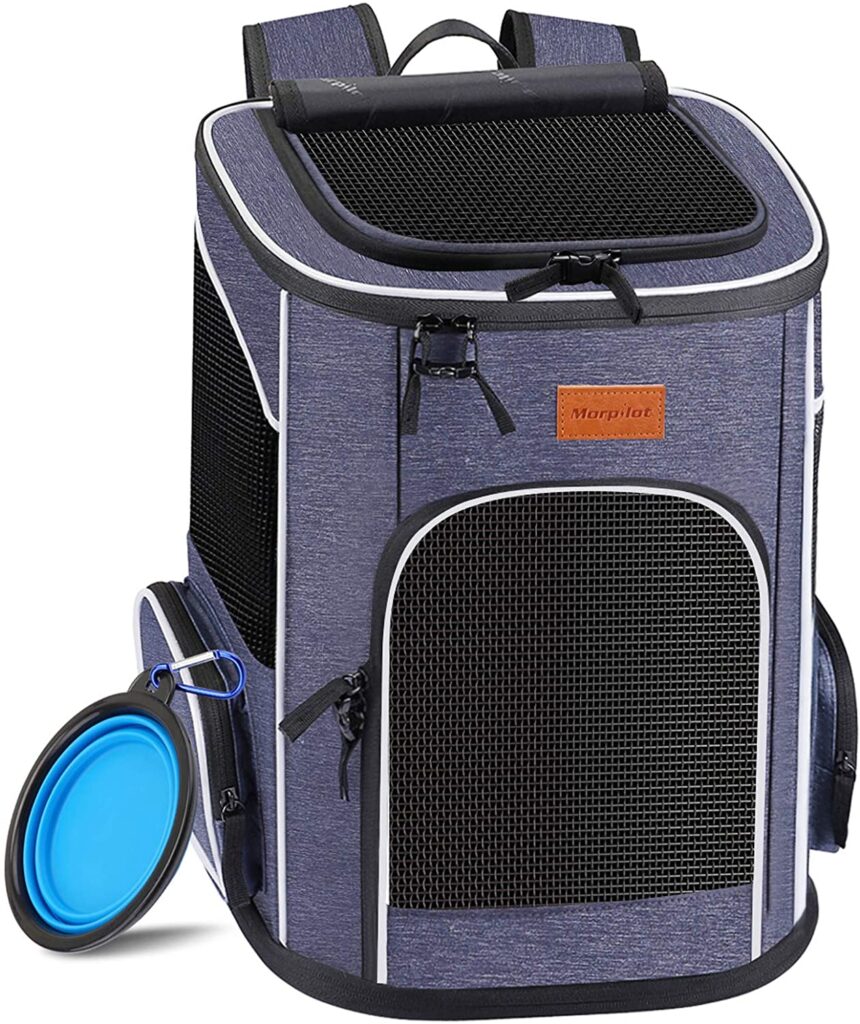
Our Favourite Cat Carrier Backpack for Safety
This is the backpack with have for our cats and I cannot recommend it enough.
I feel safe when I transport the cats in here and I also feel happy they are comfortable and have enough space.